Meet Jessie Rudin
Coach, advocate, and assistive technology specialist — dedicated to helping veterans, athletes, and people with disabilities thrive.
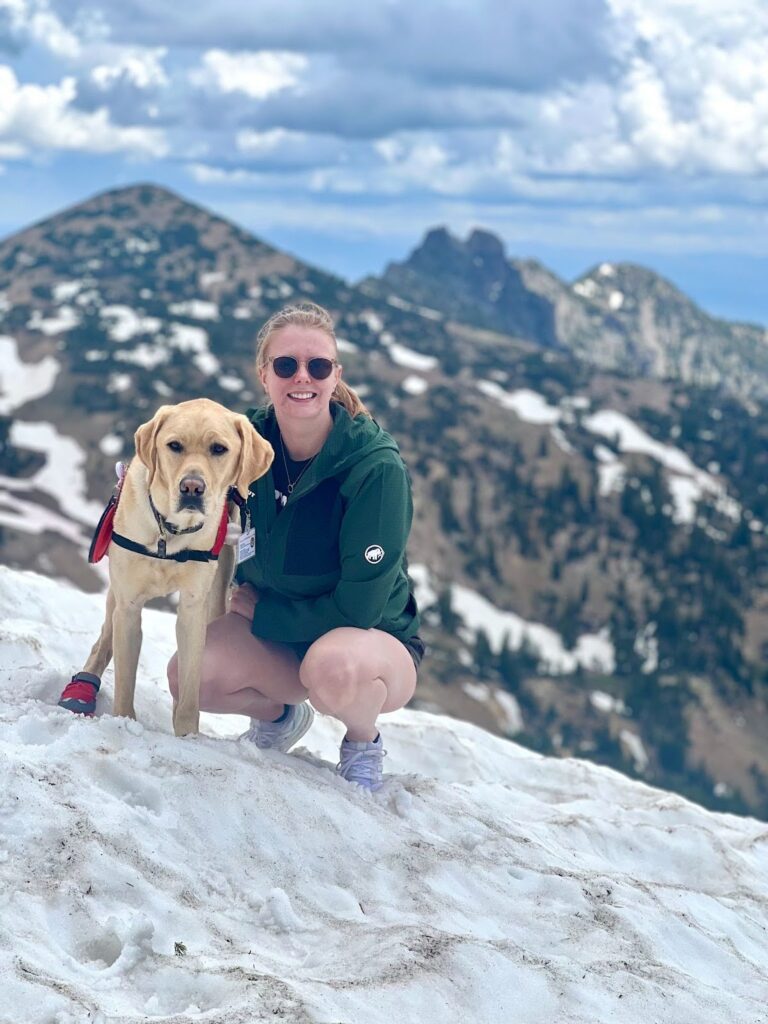
I am a hockey player, a service dog trainer, an assistive technology specialist, and someone who has spent most of her life figuring out how to be useful to other people.
Not because it was required of me, but because it’s simply who I am.
Whether I’m on the ice helping a new skater find their footing, working with a Labrador who will one day change a veteran’s life, or sitting across from someone in Iowa who just learned they may never walk unassisted again.
My Roots: Minneapolis, Faith & the World
I was adopted from Russia before I turned one, and travel quickly became a meaningful part of my life. My parents brought me along on their adventures from the time I was two years old — Australia, Chile, Argentina, and beyond.
Those early experiences shaped a curiosity about the world and an appreciation for the diversity of people, cultures, and perspectives in it. I’ve since visited every continent except Antarctica. That one is still on the list.
I grew up in Minneapolis, and from the very beginning, my Jewish identity was central to who I was becoming. I began my education in the Pre-K program at my synagogue and then attended the Minneapolis Jewish Day School through 8th grade — an experience that played a significant role in shaping my values and sense of community.
Starting in 3rd grade, I spent five weeks each summer at Herzl Camp in Webster, Wisconsin, building friendships with Jewish peers from across the country that I still carry with me today.
In 6th grade, I joined BBYO, which opened doors to meaningful leadership and service experiences, including two international trips. In 10th grade, I traveled to Costa Rica to learn about Jewish life in another country while participating in community service projects. The following year, I traveled to Israel — two weeks of experiencing Jewish history and culture firsthand that I will never forget.
Hockey: A Second Home
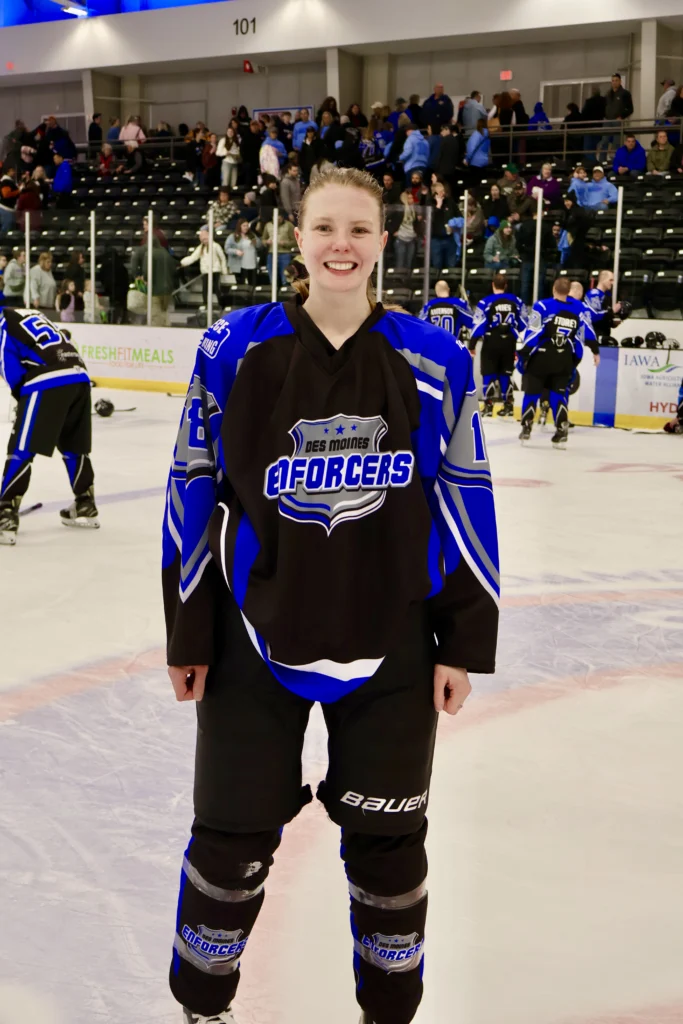
I started skating at three and playing hockey by five. From that point on, the rink was where I lived. Seven days a week during the season, and multiple sessions a day in the summers — hockey wasn’t just a sport; it was where I learned who I was.
I grew up playing for Armstrong/Cooper, one of the association’s first female teams, then moved to Wayzata in middle school, and played for Blake in high school. I played both forward and defense throughout my career, taking whatever position my team needed. At Drake University, I played in adult leagues until the university restarted its hockey program, then played two seasons for Drake before stepping into a coaching role as assistant coach.
My coaching path began in high school at Top Dog Hockey, the summer camp I had grown up attending. When I became a coach there, I was the only female coach on staff — a distinction that taught me early on how much representation matters, especially for young girls who are still deciding whether there is a place for them in the sport.
Today I continue to coach novice groups in Des Moines, serving as an additional player-coach during games and tournaments. The technical skills matter, of course. But what I care most about is helping players discover what they’re capable of — on the ice and beyond it.
I have also sustained more than six concussions over the course of my playing career. It’s part of the reason I no longer compete at the level I once did, and part of why I’m deeply interested in brain injury awareness and the tools that help people recover. Some experiences teach you things you couldn’t have learned any other way.
ON THE ICE
Service Dogs: Nine Dogs, Nine Stories
In 2019, I began training service dogs through a Drake University club called Bulldog Tails, working with dogs in their early stages of development for Puppy Jake Foundation — a nonprofit that raises labs and goldens from puppies and places them with combat-wounded veterans.
I stayed with Puppy Jake long after the club evolved, and I have now trained more than nine dogs who are actively serving veterans across the country.
I typically received dogs around a year old and worked with each one for anywhere from three to fourteen months, focusing on individualized service skills tailored to the specific veteran they would support.
These dogs learn to turn on light switches, retrieve water and medication, provide mobility support, detect seizures, and offer deep pressure therapy for PTSD. They become an extension of their handler — helping veterans regain independence, re-engage with their communities, and rebuild their lives.
For many veterans, these dogs mean reduced reliance on medication, renewed relationships with family, and a restored sense of safety. The transformation is profound, and I consider this work among the most meaningful I have ever done.
Training a service dog has also changed me. It taught me patience in ways I didn’t know I needed. It deepened my empathy. It reinforced, again and again, the value of showing up consistently for something — and someone — that depends on you.
A Life Oriented Toward Others
I’ve been asked before how I do it all — the full-time job, the service dog training, the coaching, the presentations. The honest answer is that it doesn’t feel like a lot, because none of it feels like a sacrifice. It feels like purpose.
I grew up understanding — through hockey, through Jewish education, through watching what happens when people show up for one another — that the most meaningful things in life are the things you do for someone else.
When I was young, my hockey team partnered with Special Olympics athletes, teaching them how to skate. Watching their confidence grow on the ice showed me something I’ve never forgotten: that small acts of support can have an enormous impact on someone’s sense of belonging and self-worth.
Everything I’ve done since has been an extension of that moment.
If you’ve found this website, I hope you find something here that resonates with you, whether it’s a love of hockey, a connection to the veteran community, a personal experience with disability, or just a belief that one person can make a real difference in the lives of others.