What the Internet Does to a Single Second of Your Life
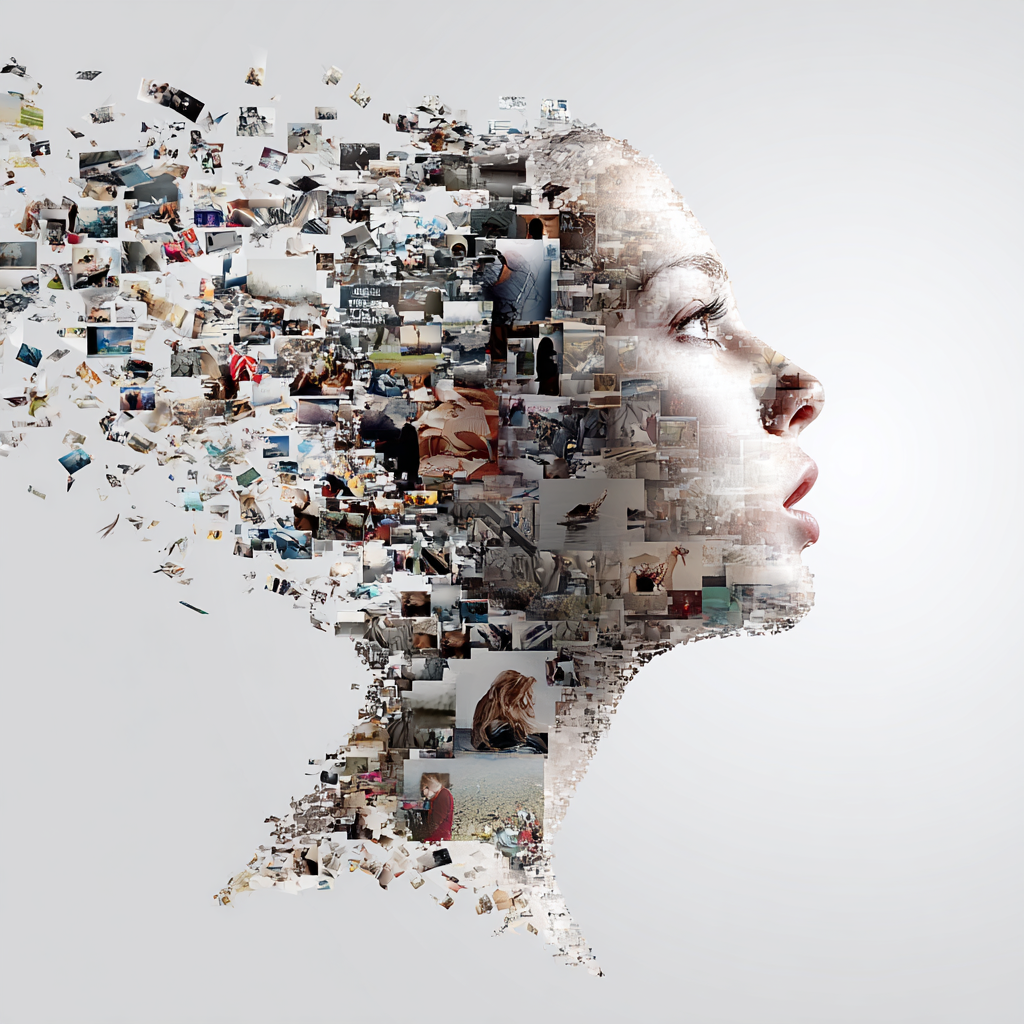
The internet has transformed the way we communicate, learn, and connect.
At its best, it increases productivity, shortens distances, and amplifies voices that might otherwise go unheard.
At its worst, however, it can flatten a human life into a single moment—stripped of context, nuance, and truth—and turn that moment into viral fuel.
The cost of that process is often borne by real people, long after the internet has moved on.
Social media, in particular, has become notorious for bullying, exclusion, and the promotion of unrealistic expectations. These platforms affect people of all ages, normalizing behaviors and ideals that can be risky, unhealthy, or deeply damaging to mental well-being. What begins as content quickly becomes commentary, judgment, and, in many cases, cruelty—often delivered without accountability or empathy.
Credibility has also suffered in the race for attention.
Algorithms are designed to elevate what performs best, not necessarily what is most accurate. As a result, clickbait frequently outranks careful reporting, and emotional reactions are rewarded more than truth.
The loudest, most polarized voices rise to the top, creating a distorted picture of reality. What we see repeatedly online starts to look “normal,” even when it represents only the most extreme edges of public opinion.
This raises an uncomfortable question: how much of what we consume online is actually accurate?
Today, nearly anyone can post information with little to no fact-checking or reliable sourcing. Spaces that were once considered credible have become crowded with opinions presented as facts, often devoid of context or full understanding. Readers absorb these fragments and form conclusions without ever knowing the complete story—or even realizing that a story is incomplete.
The consequences of this environment are profound. A single moment captured on camera, shared online, and interpreted by strangers can alter the course of someone’s life.
That moment may be misunderstood, misrepresented, or entirely divorced from the circumstances surrounding it.
Yet it can permanently shape how others perceive a person who never had the chance to explain, clarify, or simply be seen as human.

When Perception Replaces Understanding
The consequences extend beyond misinformation and into personal relationships. One of the quietest but most painful outcomes of public judgment is the loss of people you once considered friends.
When perception replaces understanding, connection fractures. Some people step away without asking questions or seeking clarity, choosing distance instead of dialogue.
At the same time, strangers—people who have never met you, never known your character, and never shared your experiences—often feel entitled to judge, to be hurtful, and even to believe they have a right to dictate what should happen in your life. Their confidence can be startling, given that they will never live with the consequences of their opinions.
There is a unique kind of isolation that comes from this dynamic: watching people who no longer know you speak as if they do, while others who are closest disappear into silence. It reveals how quickly empathy can erode when a person becomes a headline, a clip, or a comment thread.
Your life becomes a topic of discussion rather than a reality, and strangers weigh in as though it were theirs to manage—forgetting that not every voice deserves equal influence, and not every opinion is owed consideration.
When we reduce people to seconds instead of stories, we lose something essential—empathy.
The internet invites us to react quickly, but being thoughtful takes time. If we are to move toward a healthier digital culture, we must slow down, question what we’re shown, and remember that behind every viral moment is a real person with a life far bigger than the clip on our screen.
Empathy is the missing discipline of the digital age.
It requires us to pause before we share, comment, or judge—to remember that the person on our screen exists beyond the frame we’ve been shown.
Practicing empathy online means acknowledging that we rarely have full context, that a clip cannot capture intent, history, or complexity, and that our reactions can have real consequences. Choosing empathy does not mean excusing harmful behavior; it means resisting the urge to dehumanize.
In a culture built for speed and spectacle, empathy is a deliberate act—one that asks us to see people not as content, but as human beings deserving of grace and understanding.
Ultimately, a single moment on the internet does not define a person—but the way others respond to that moment can redefine their world.
If we want a healthier digital culture, we must slow down, question what we consume, and recognize the humanity behind every viral fragment.
Lives are not content, and people are not pauses in our scrolling.
Empathy online is not optional; it is essential. Because no one should have their entire story rewritten by a second the internet decided to remember.
Jessie Rudin is an assistive technology specialist at Easterseals Iowa, a service dog trainer for combat-wounded veterans, and a hockey coach based in Des Moines.