What Tikkun Olam Actually Means When You Live It Every Day, Not Just Preach It

By Jessie Rudin
Two years ago, I found myself sitting on a kitchen floor, holding a set of keys that had become the center of an unexpectedly long training session.
The dog across from me knew exactly what I wanted. We’d practiced the retrieve dozens of times. In theory, all he had to do was pick up the keys and place them in my hand.
Instead, he stared at me.
I stared back.
We started over.
Anyone who has trained a service dog will tell you that the work rarely looks impressive while it’s happening. Most of it is repetition. The same cue. The same movement. The same correction. The same reward. Day after day, until one day a behavior becomes second nature.
What kept me going through those endless repetitions was the knowledge that someday those keys might not just be keys. They might be independence, they might be the difference between someone needing help and being able to manage on their own. They might be the difference between the dogs veteran getting hurt picking something up versus being able to pick an object up independently with no injury.
Growing up, I heard the phrase tikkun olam everywhere. It’s Hebrew for “repairing the world.” For most of my childhood, it sounded like one of those big ideas adults talked about, something noble but abstract. I heard it growing up in school at the Minneapolis Jewish Day School from kindergarten all the way through 8th grade.
As I’ve gotten older, though, I’ve come to realize that the people who taught me about tikkun olam were never really talking about changing the entire world at once.
They were talking about moments like this one.
A dog learning to retrieve a set of keys.
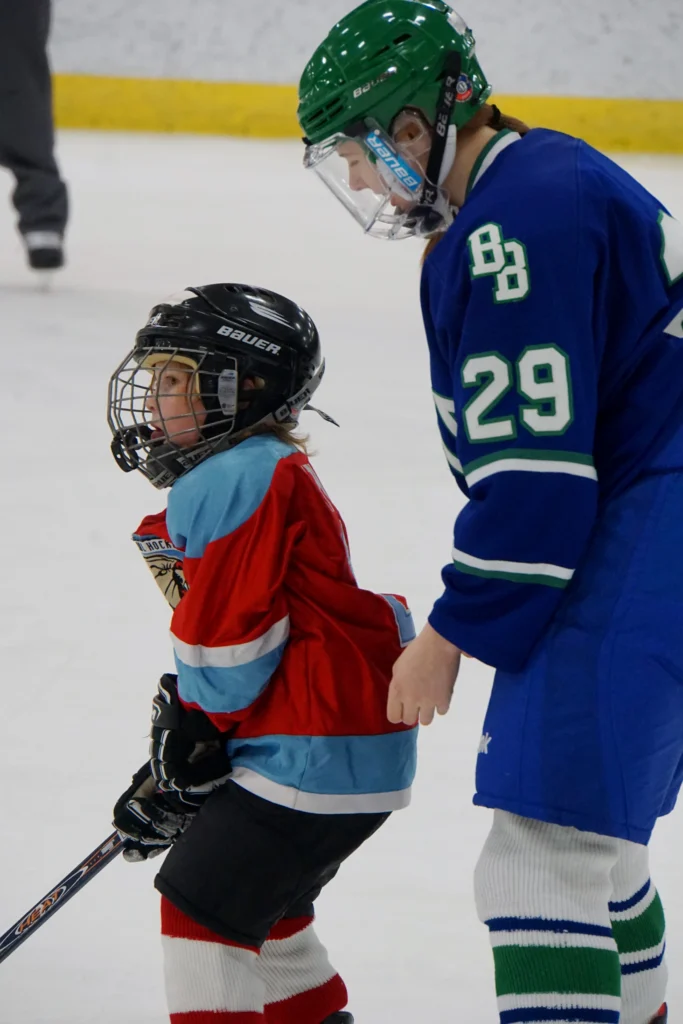
A coach helping a nervous skater take their first lap around the rink.
An assistive technology device giving someone back the ability to communicate independently.
Small things that become life-changing when they happen for the right person.
For me, that’s what tikkun olam has always looked like. Not a slogan. Not a speech. Not an ideal. Just a series of ordinary choices made over and over again. Most of them are small enough that nobody notices. But over time, I’ve learned that those small choices are usually the ones that matter most.
Where I First Heard the Words
My Jewish identity has never been something separate from the rest of my life. It has always been woven into it. The communities that raised me, the friendships I built, the values I learned, and many of the opportunities that shaped me all came through Jewish spaces. It isn’t just a part of my background or something I think about on holidays. It has influenced how I see my responsibilities to other people, how I define success, and the kind of person I want to be. Even when I wasn’t consciously thinking about it, the lessons I absorbed growing up in Jewish communities were quietly shaping the choices I would later make in my career, volunteer work, and everyday life.
Some of my earliest memories are from preschool at my synagogue. Later came Minneapolis Jewish Day School, where I spent my elementary and middle school years, and Herzl Camp in Webster, Wisconsin, where I spent five weeks every summer from third through ninth grade connecting with other Jewish individuals with shared values.
Those communities shaped me in ways I only fully appreciate now.
When people ask what I learned there, I don’t usually think about specific lessons. I think about examples and experiences. I think about older campers helping younger campers without being asked. I think about teachers who stayed late to help a struggling student. I think about a culture where showing up for other people wasn’t considered extraordinary.
It was simply expected.
By the time I joined BBYO in sixth grade, that mindset felt completely normal. It followed me through leadership opportunities, a service-learning trip to Costa Rica in tenth grade, and a trip to Israel the following year.
The funny thing is that, as a kid, I never thought much about any of it.
Nobody walked around explaining that they were teaching us values. Nobody announced that we were learning about service or community responsibility. The people around me simply lived those values so consistently that they became part of the background.
It wasn’t until I left those spaces and began building a life of my own that I realized how much they had shaped my definition of success.
The Part Nobody Tells You: It’s Mostly Boring
One of the things I’ve learned about helping people is that most of the work isn’t dramatic. It’s repetitive and small tasks that make the biggest difference.
Since 2019, I’ve trained nine service dogs for combat-wounded veterans. The dogs typically arrived around a year old and stayed with me anywhere from three to fourteen months. Most of that time was spent practicing the same commands over and over again: retrieving objects, turning on light switches, providing mobility support, helping a handler stand, detecting seizures, or bringing water and medication when needed.
People usually see the finished dog. They see a dog confidently performing a life-changing task and assume the training happened naturally.
What they don’t see are the hundreds to thousands of repetitions behind that moment.
I remember spending weeks teaching one dog to reliably retrieve a dropped object. It sounds simple, but for the veteran waiting for that dog, being able to independently pick up dropped keys, medication, or a water bottle could make a meaningful difference in daily life. That isn’t just my impression. A 2024 NIH-funded clinical trial found that veterans and service members partnered with service dogs reported lower PTSD symptom severity, anxiety, and depression than those receiving usual care alone.
That’s what service dog training taught me: the repair is in the repetition. The most important work often happens long before anyone notices the result.
In many ways, I think that’s true of most meaningful service. Real change rarely comes from a single big moment. It’s built through patience, consistency, and a willingness to keep showing up, even when progress is slow and nobody is watching.
Repair Isn’t Charity. It’s Restoring What Should Have Been There
One of the things I’ve learned through my work at Easterseals is that most people don’t need to be fixed. The barriers around them do.
A weighted spoon might help someone who has had a stroke eat a bowl of soup independently for the first time in years. Eye-gaze technology can allow someone who cannot speak verbally to communicate through a device using only their eyes. To an outsider, those tools may seem small. To the person using them, they can be life-changing.
That’s why I think of this work as restoration rather than charity. We’re not giving people something extra. We’re helping them regain access to things many of us take for granted. Repairing the world doesn’t mean fixing people. It means fixing what’s in their way.
That idea is personal for me. I was diagnosed with dyslexia in second grade, and I remember how frustrating it felt to struggle with reading and how uncomfortable it could be to ask for help. When you need support, it’s easy to feel different or singled out.
Because of that experience, I’ve always believed that assistive tools should be normalized, not stigmatized.
“The goal isn’t dependence. It’s independence, dignity, and giving people the opportunity to participate fully in their own lives.”
Sometimes the most meaningful form of repair is simply removing a barrier that never should have been there in the first place.
The First Time I Saw It Work — On the Ice
Long before I trained service dogs or worked in assistive technology, I saw the impact of inclusion at a hockey rink.
When I was growing up, my youth and high school hockey teams partnered with Special Olympics athletes. We spent time on the ice together, helping teach skating and basic hockey skills. At the time, I didn’t think of it as service. It was just hockey.
What I remember most wasn’t the drills or the practices. It was the excitement. I watched athletes gain confidence with every lap around the rink. I saw people try things they may have been told weren’t for them and discover that they absolutely belonged there. The pride on their faces was impossible to miss.
Looking back, that experience was the first time I saw what happens when barriers are removed and people are simply given the opportunity to participate. Nobody needed to be fixed. They just needed a chance. In many ways, that’s how I understand tikkun olam now: not changing who people are, but helping remove the barriers that keep them from becoming who they already can be.
At the time, I didn’t have a name for why that experience mattered so much to me. Now I can see the through-line clearly. Those afternoons on the ice played a major role in my decision to study special education at Drake University, and ultimately led me to the work I do today at Easterseals. In many ways, my career started at that rink.
It’s also why I still coach hockey today. The early mornings with novice skaters in Des Moines, the time spent helping someone learn a new skill, and the joy of watching confidence grow all feel familiar. The setting has changed, but the instinct is the same as it was when I was a kid: show up, encourage people, and help create opportunities for them to succeed.
Years later, that’s still one of the most meaningful lessons hockey ever taught me. Sometimes the biggest difference you can make is simply helping someone realize they belong not just on the ice, but in the classroom, the workplace, their community, and anywhere else they want to be.
What It Actually Looks Like on a Tuesday
The funny thing about tikkun olam is that it sounds much more exciting than it usually feels.
On an average Tuesday, I’m not out changing the world. I’m answering emails, driving to appointments, troubleshooting technology, and hoping I’ve remembered everything in my calendar.
Part of my day might be spent meeting with someone to find the right assistive technology solution. Later, I might head to the rink to coach hockey players in Des Moines. When I get home, there’s usually a dog in my house who is still very much a work in progress and needs another training session before the day is over. Sometimes the week also includes a drive somewhere in Iowa for a presentation or training.
None of those things feel particularly remarkable while they’re happening.
There are early mornings, long drives, scheduling headaches, and plenty of days when I’m tired. Most of the work is invisible. Almost none of it is celebrated. In fact, if things are going well, nobody notices them at all.
That’s one reason I’ve never thought of any of this as sacrifice. It doesn’t feel like virtue. It’s simply the life I’ve built and the work that gives me purpose. If I’m being honest, I probably get more out of it than the people I’m helping realize. I’ve gained friendships, perspective, patience, and a deeper appreciation for what people can accomplish when they’re given the right support.
It’s easy to talk about repairing the world. It’s much harder, and far less interesting, to talk about showing up on a random Tuesday when nobody is watching. But I’ve come to believe that’s where most of the real work happens. Not in big moments or public recognition, but in the quiet decision to keep showing up for other people, one ordinary day at a time.
Why This Is the Standard I Hold Myself To
One of the lessons Judaism taught me from a young age is that the value of a life isn’t measured by what you accumulate, but by what you contribute. Long before I was old enough to think critically about it, I was surrounded by people who believed that showing up for others wasn’t extraordinary, it was simply what you did. The problems we face are bigger than any one person can solve, but that doesn’t excuse us from doing our small part.
The reason I don’t usually talk about any of this is that it feels uncomfortable. Listing the things you do for other people can sound like you’re looking for credit, and that’s never been the point.
But I’m writing about it because the idea matters more than my discomfort. If someone reads this and comes away reflecting on one small way they can help a neighbor, support a friend, volunteer in their community, or simply make life a little easier for someone else, that’s far more meaningful to me than any recognition. After all, tikkun olam was never meant to be about being admired. It’s about doing the work.
Eventually, that dog on the kitchen floor learned to pick up the keys.
Not because of a breakthrough moment. Not because either of us suddenly figured out a secret. We just kept practicing. One repetition at a time until something difficult became routine.
I’ve come to think that’s true of most things that matter.
The same idea shows up in a service dog retrieving medication, in a piece of assistive technology helping someone communicate, in a new skater taking a lap around the rink with confidence, or in a volunteer choosing to show up for an early morning practice.
“None of those moments changes the entire world. But they change someone’s world, and that’s enough.”
When I was younger, tikkun olam sounded like an enormous responsibility. Now it feels much simpler than that. Most days, it looks like paying attention to the people in front of you and doing what you can to make things a little easier, a little more accessible, or a little more welcoming.
The world is enormous, and most of it is beyond my control.
But the few feet in front of me usually aren’t.
That’s generally where I try to start.
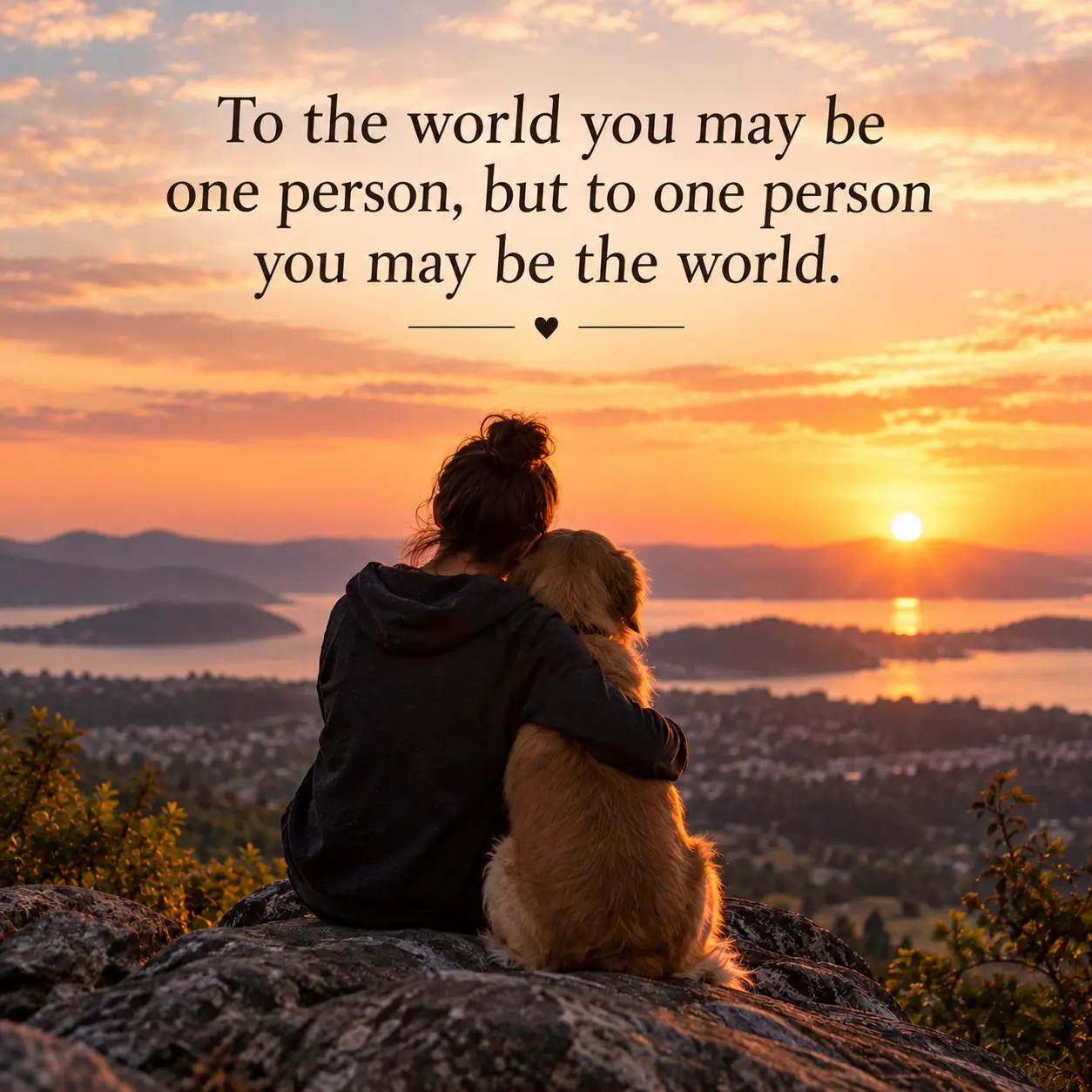
There’s a quote I’ve always liked: “To the world you may be one person, but to one person you may be the world.” Whether or not that person is a veteran receiving a service dog, a client gaining access to an assistive technology device, or a young skater finding confidence on the ice, the idea feels deeply connected to tikkun olam. Repairing the world isn’t always about solving enormous problems. More often, it’s about making a meaningful difference for one person at a time. When enough people do that, those small acts of repair begin to add up.